


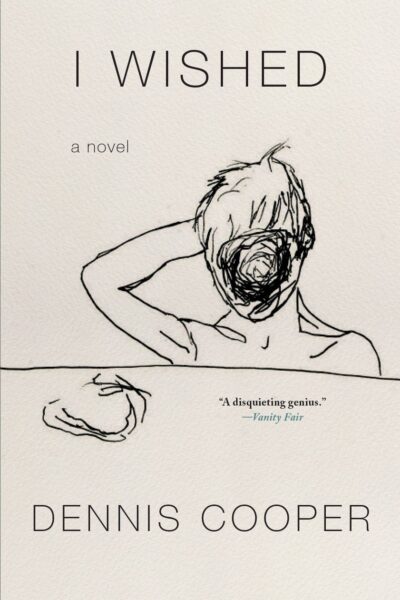
Cooper is interested not just in the shock value of his stories but also in the aesthetic effects of his fiction’s design and execution
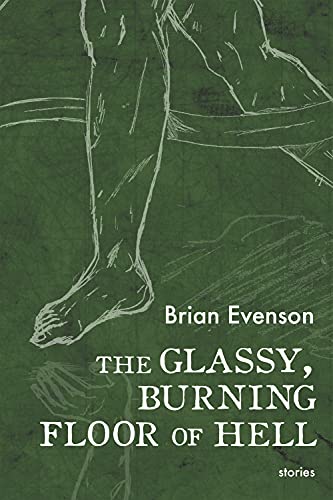
The Glassy, Burning Floor of Hell – Brian Evenson
Evenson’s fiction reads cumulatively like satire on endemic human weaknesses that at last have provoked a supernatural break with a reality no longer able to contain them.
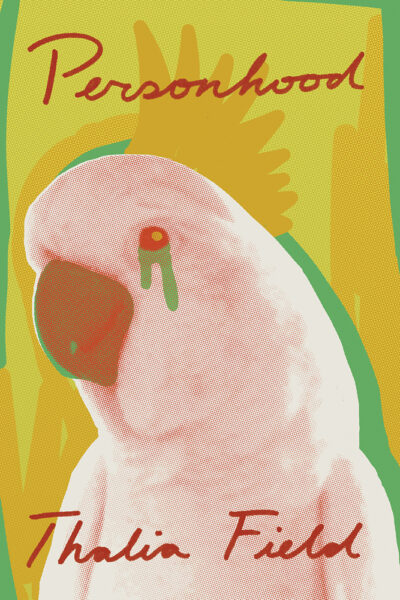
PERSONHOOD suggests that Thalia Field’s audacious verbal imagination has started to become merely the available instrument for promulgating an increasingly familiar message.
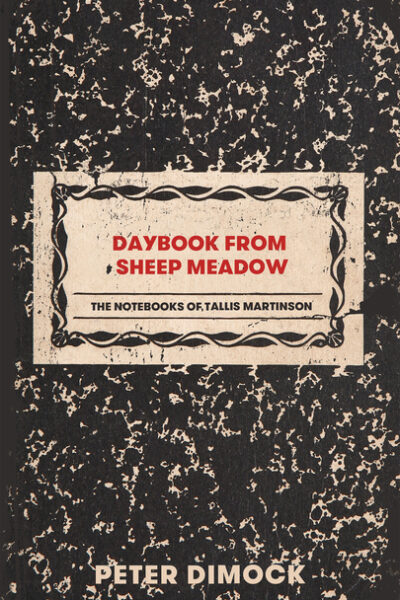
Daybook from Sheep Meadow – Peter Dimock
It really is hard to imagine a novel more devoted to a polemical, political purpose than DAYBOOK FROM SHEEP MEADOW.
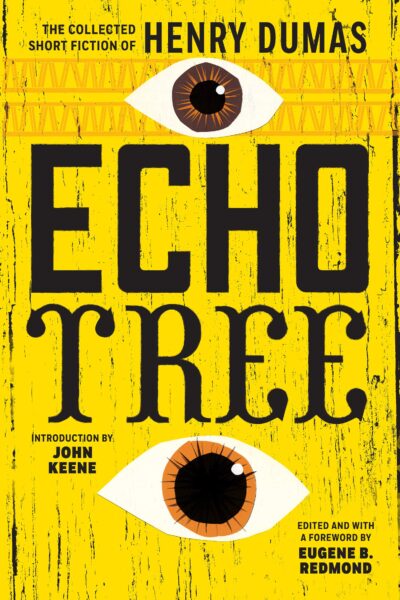
[ECHO TREE] surely does underscore Dumas’s talent as a writer of fiction, although at the same time reminding us that he was so barbarously prevented from fully harvesting that talent.
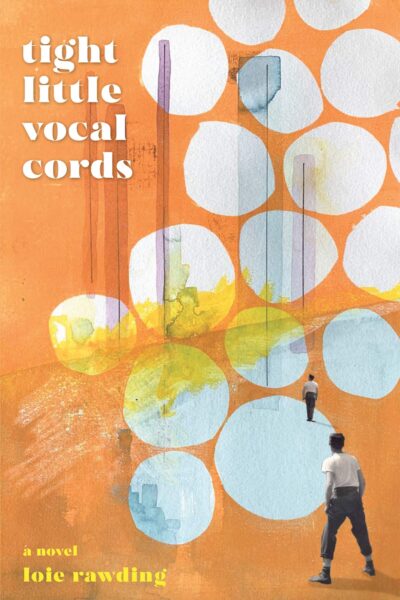
Tight Little Vocal Cords – Loie Rawding
What, then, distinguishes such a novel as TIGHT LITTLE VOCAL CORDS from the very many novels — going back to the very beginning of the form — that assimilate “other” modes of writing
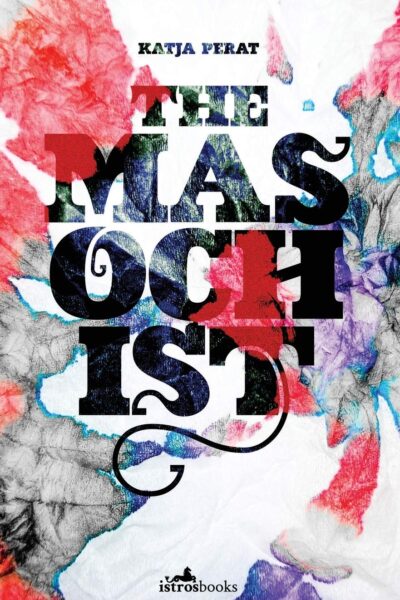
Readers of THE MASOCHIST in translation may be less aware of Perat’s poetic prose, but few are likely to experience this as something that undermines the cogency of Nadezhda Moser’s voice.
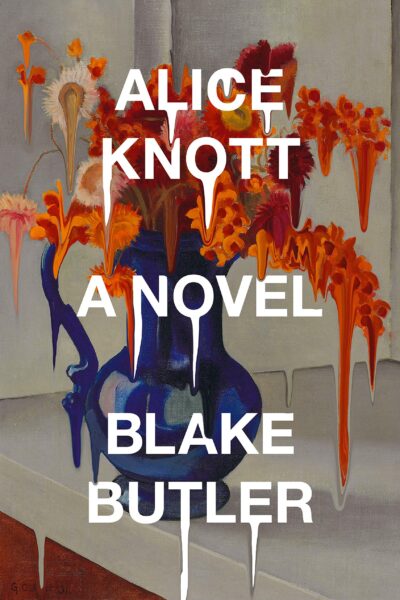
Butler’s now habitual formal and stylistic maneuvers are beginning to seem more apparent.
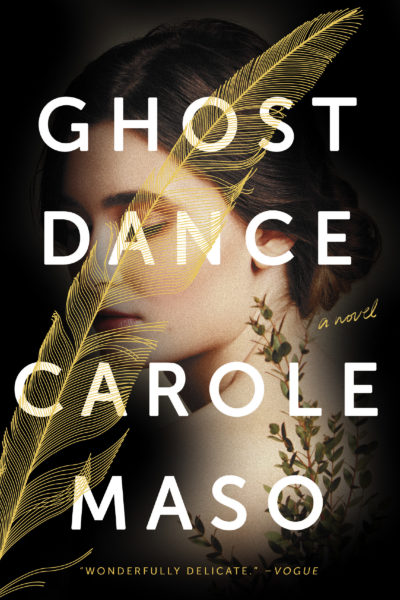
Neither Maso nor her characters are afraid to transgress presumed boundaries.

The Unauthorized Biography of Ezra Maas – Daniel James
This is postmodernism on steroids.