

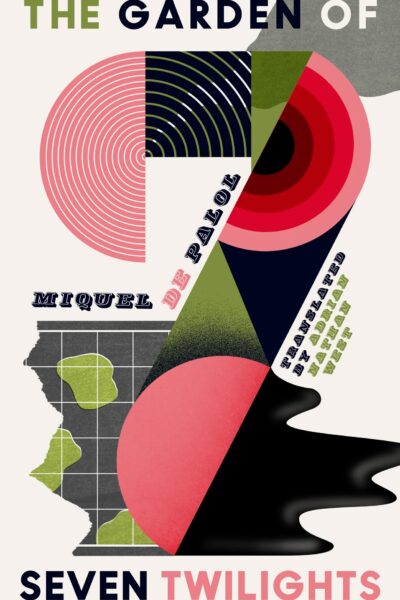
The Garden of Seven Twilights – Miquel de Palol
The tales and tellers of Palol’s novel compose a meticulous alignment of points and lines, a rigorous intellectual structure resembling the mysterious sculpture in the center of the titular Garden.
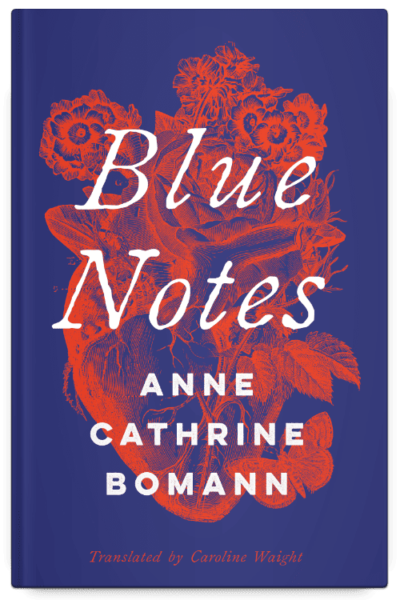
Blue Notes – Anne Cathrine Bomann
Blue Notes is no quiet meditation on grief: it’s a well-paced and highly readable medical thriller.

Hjorth reworks that old aphorism: unhappy stories are all alike. It’s the ones that eke out a kind of happiness that set themselves apart.

The Buddha learned to extinguish desire. For [Debré’s] narrator, desire appears as liberation, what the rigid world of shitless boredom kept from her.

The Singularity – Balsam Karam
Karam has written a surprising work of horror, embedded in two motherhood plots that briefly connect in an unnamed harbor town half-recovered from a violent conflict.

Capitalist modernity renders mothers and daughters as autonomy-desiring “units”; SALT reveals the ache of this separation.
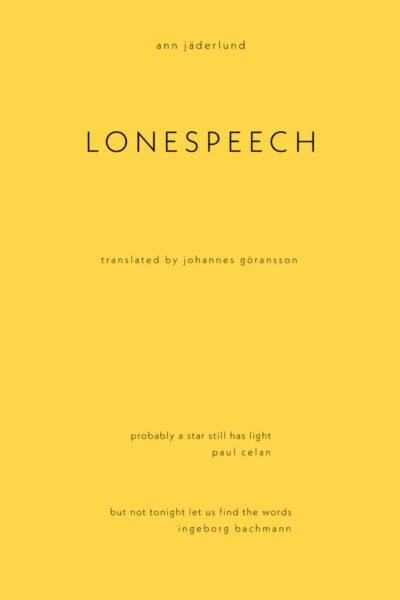
Lonespeech is a dialogue edited down to a poem, its minimalism acknowledging the blank space around its “cut-out” phrases.

A hypnotic novel, itself seemingly hypnotized by bodily fluids.

Like a Sky Inside – Jakuta Alikavazovic
Alikavazovic’s writing is contemplative and digressive, roving like the insatiable gaze of a consummate museum goer.
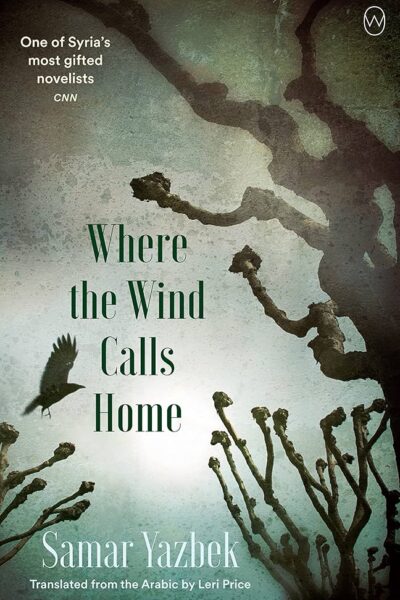
Where the Wind Calls Home – Samar Yazbek
The drama of recent Syrian history—the reign of the dictatorial Assad family, the brutal civil war begun in 2011—plays out in the struggle of one single consciousness trapped in its gears.