
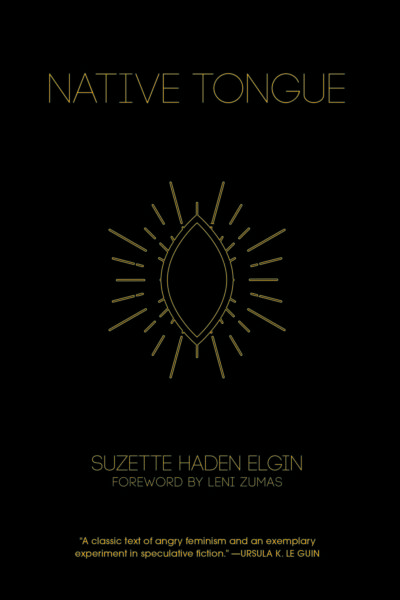
Native Tongue Trilogy – Suzette Haden Elgin
A forgotten classic of feminist dystopian fiction, the NATIVE TONGUE trilogy is a brilliant illustration of how writers might use genre to grapple with the problems of patriarchy.
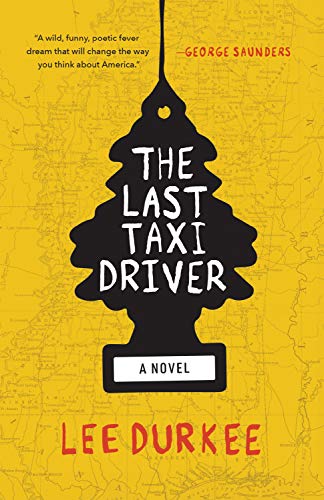
The Last Taxi Driver – Lee Durkee
The world’s cabbies and their chroniclers know but two time periods, BTD and ATD.
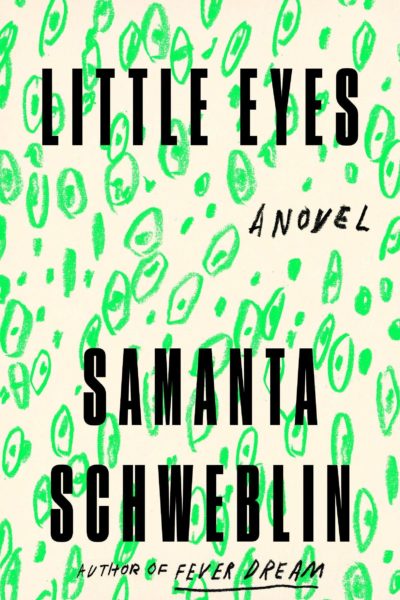
Little Eyes – Samanta Schweblin
In the cyborg fable, it’s not just the perpetrator who suffers at the end.
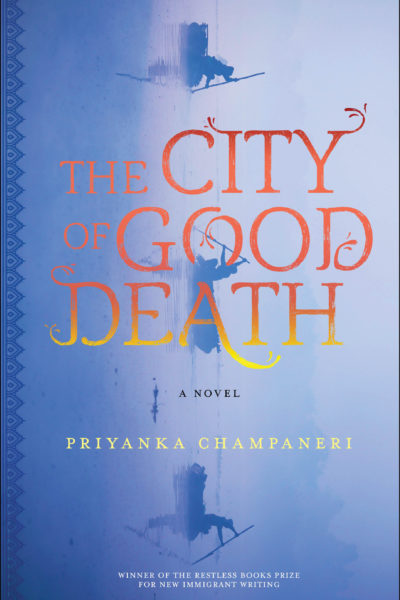
The City of Good Death – Priyanka Champaneri
The modern novel feeds almost entirely on free will — a compelling demonstration of the full and rebellious exercise of which, if we are to agree with (among others) Camus, is what separates the literary novel from myth, legend, parable, and genre writing.
Exposition / The White Dress – Nathalie Léger
Nathalie Leger’s triptych is a balletic interpretation over the line between fiction and criticism.
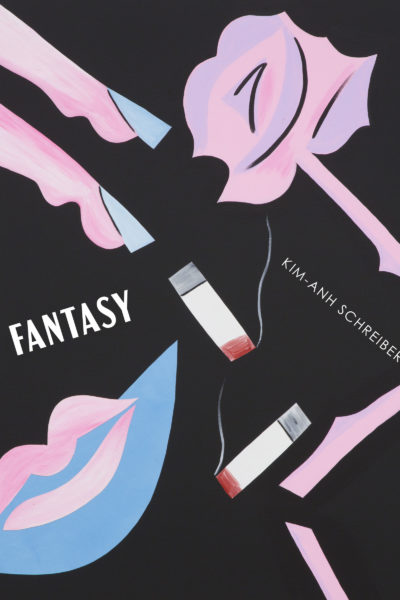
FANTASY reminds the reader that as we look at the often broken and crooked stories of ourselves, we can’t forget that history keeps circumscribing us, even as its content eludes us.
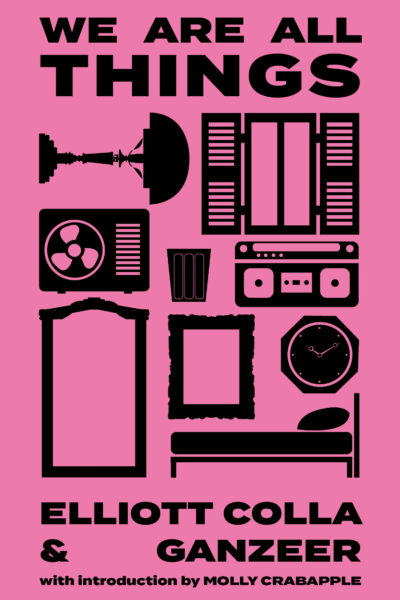
We Are All Things – Elliot Colla and Ganzeer
The entire effect is TENDER BUTTONS but with interiority, animation of the inanimate that manages to be expansive where it could have been precious, engaging where it could have been stultifying.
Its project is something larger, perhaps more tenuous: to connect contemporary progressivism’s lessons to ordinary public settings, where these lessons most often reverberate.
Natural History – Carlos Fonseca
Taking the allegory of camouflage to its limits, Natural History forces us to think about the unstable role of truth and art in a world where the mediated copy becomes more important than the original.
Thresholes – Lara Mimosa Montes
It’s essential to respect something about the very fabric of this book-that is, to embrace the holes.