


Years and Years – Hwang Jungeun
Sejin and Yeongjin seem to be aware of the pitfalls of their mother’s refusal to speak of her past . . . but they ultimately do the same themselves. The three women take silence as a given, assuming that speaking would only lead to more harm.

Schrödinger’s Wife (And Other Possibilities) – Pippa Goldschmidt
Goldschmidt turns abstruse theories into metaphors of interpersonal relation, uncovering the hidden labor of scientific research and recovering the technical language of physics for humanistic consideration.
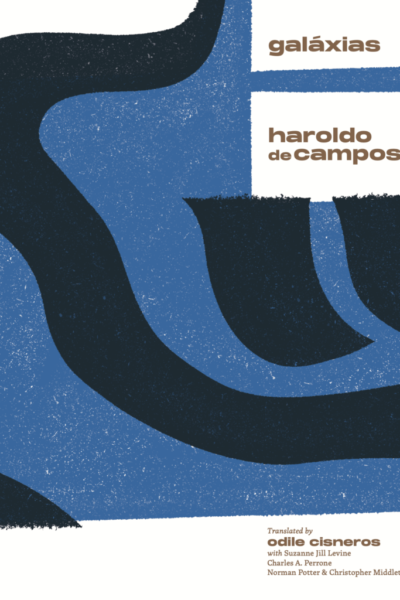
GALÁXIAS takes not only São Paulo, but the entire universe in its orbit.

ESTA BOCA ES MÍA – Lupita Limón Corrales
Communities are made of relationships not only between people but between people and places—between us and our homes, the plants that grow on the sidewalk, the basements we gather in to chat and strategize.
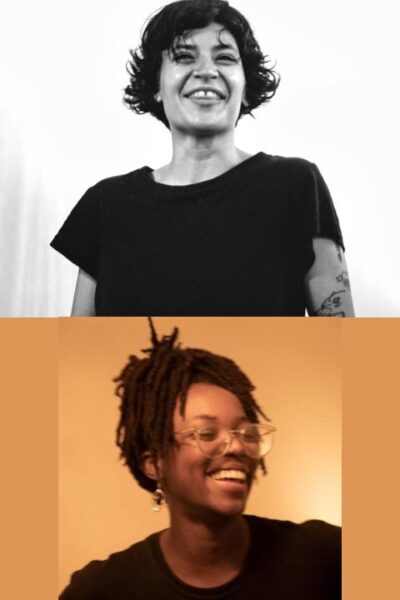
Introducing the Full Stop Editorial Fellows
Get to know our 2024 Full Stop Editorial Fellows, Keely Shinners and Annalise Peters!

The Degenerates – Raeden Richardson
Maha’s gift is born of grief, of the fear and pain that has defined her own life, and she too is a degenerate.

The space of the imagination in all its surreality is the space in which the stories [in Bhanu Pratap’s CUTTING SEASON] are anchored.

The Burning Plain – Juan Rulfo
The real perpetrator of violence in THE BURNING PLAIN is [the] cycle of poverty and the systems that engender it. The characters in these stories are so vulnerable that their existence rests on an edge, and the smallest upheaval or change becomes magnified and topples them completely.
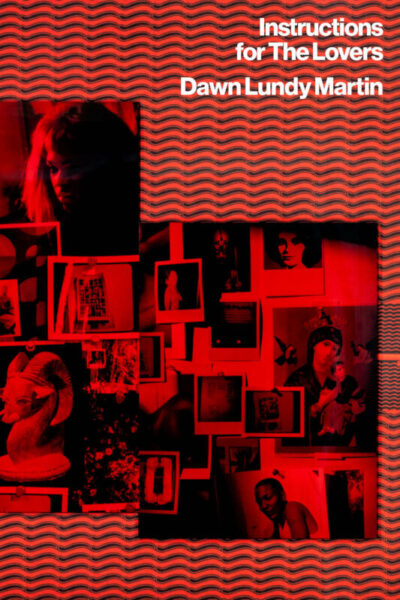
Instructions for the Lovers – Dawn Lundy Martin
In this summer of institutionally sanctioned murder, the poet wakes each morning to “a fireheart grief” and drinks her coffee “into the griefmouth.”
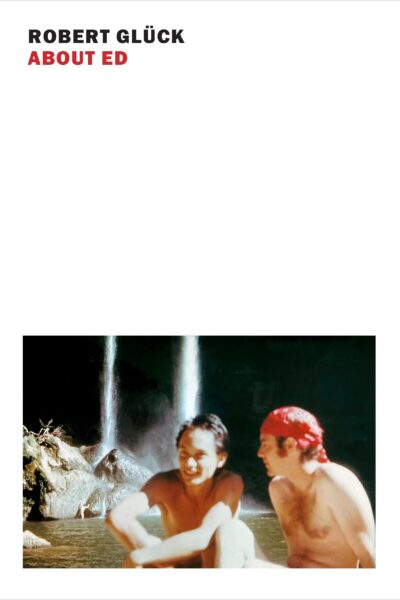
For all its formal intricacies [About Ed] never comes across as an act of literary showmanship. Instead, it reorients a narrative genre that too often hinges upon the irreducibility of its subject to face outward, toward the social formations that shape us.