


Canadian author, Derek McCormack, writes like Vincent Price possessed by Elsa Schiaparelli: minimal, obscene, cartoonish. His early works include Dark Rides (1996), The Haunted Hillbilly (2003) and The Show That Smells (2008). In 2011, McCormack was diagnosed with abdominal cancer. Since then, he has published The Well-Dressed Wound (2015) and Castle Faggot (2020), both with […]

That feeling of disorientation might be my favorite thing about poetry. I think poems can bring about new possibilities by skirting the edges of sense, or they can expand our capacity for sense-making.

Fun and revelry can be deeply disruptive forces, ways to destabilize coercive structures. Never underestimate the power of fun.
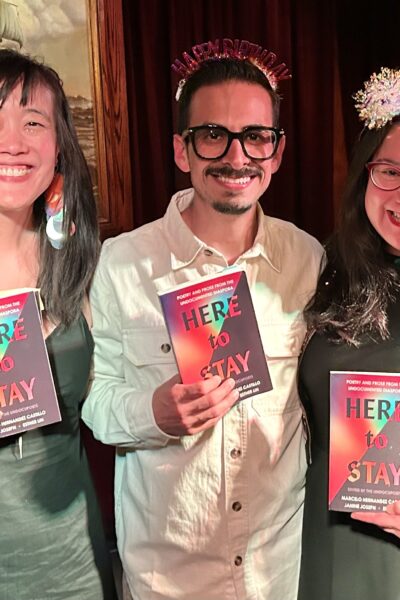
Marcelo Hernandez Castillo, Esther Lin, and Janine Joseph
Toni Morrison writes about how “you have to write the book that you want to read.” When I was growing up undocumented, the only things to read about my “situation” was through newspapers, and it was always a crisis.

I’ve been into horror movies and things that are scary or creepy since I was a little kid. I was obsessed with monsters and found something comforting about them.

I think the poem tells you what form it wants to be if you listen carefully. I love when a poem is funky and wants weird line breaks or caesuras.
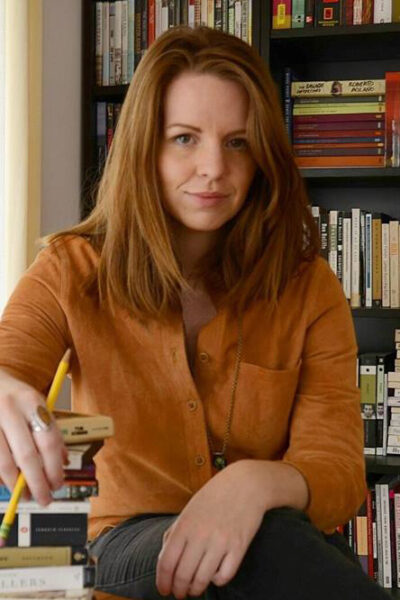
Men taught me that I was indestructible early on, and continue to so frequently to the point that I understand now that I am immortal. When will men learn that I am indestructible, and they are the ones destroying themselves?
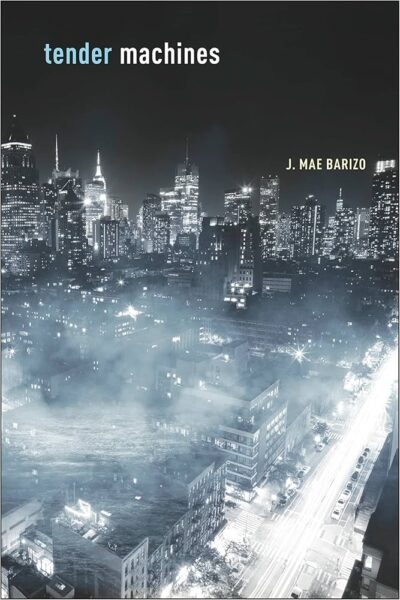
Squinting at the Gold Teeth of the Sun: A Conversation with J. Mae Barizo on Tender Machines
A city, and also a language, is not just a product of the literal body, but of the emotional and conceptual possibilities of consciousness itself.
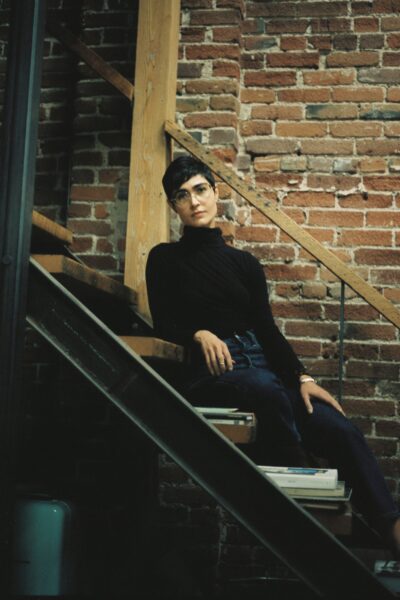
I don’t think I described friendship as a contract; our society already has.

I’m much more concerned with character than I am with crime: with the impact of the events – the crime, if you want – on the characters, rather than the crime itself.