

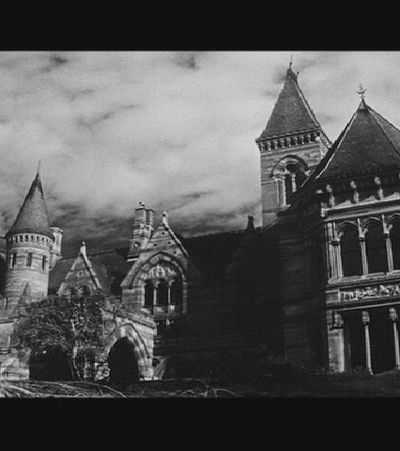
Why Don’t They Just Leave? Revisiting THE HAUNTING OF HILL HOUSE
Why don’t they just leave? What is keeping them inside? The answer in the best haunted house literature is, they don’t leave because they cannot.
Teaching in the Margins: Jane Sprague
Maybe if I’m teaching anything it’s: look.
The More They Stay the Same: THE END OF MEN, THE RICHER SEX, and the Not-So-New World Order
Mundy shows us a world full of Plastic Men (modern, adaptable, infinitely reinvented); Rosin shows us a world with no way forward. Is either option accurate?

Jay Caspian Kang’s THE DEAD DO NOT IMPROVE is a detective story whose mystery is not a single act of violence, but a culture that breeds a certain kind of violence.
Teaching in the Margins: Gregory L. Ulmer
Detectives are inspectors; educators may be circumspectors.
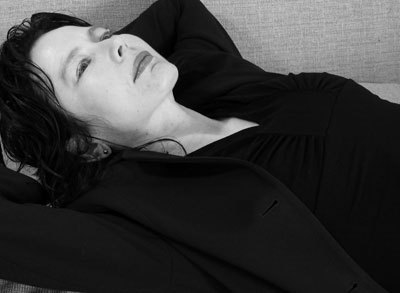
Teaching in the Margins: Vanessa Place
Lesser art teaches that trees are preferable to poems, Napoleons more magnificent than pastries. Good art is never didactic about anything but art.
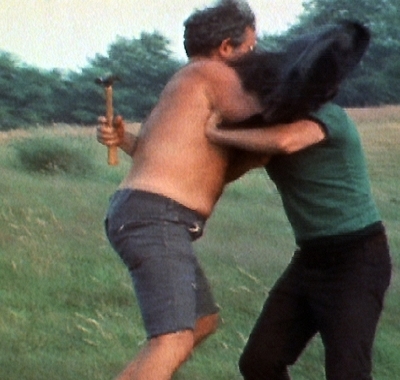
Tough Guys Don’t Storyboard: The Films of Norman Mailer
Mailer wanted movies to feel more real, to partake more of actual human feeling and experience, to tap into the kind of humor people indulge in when they’re all alone but have never dreamed of seeing expressed by actors in a big film.
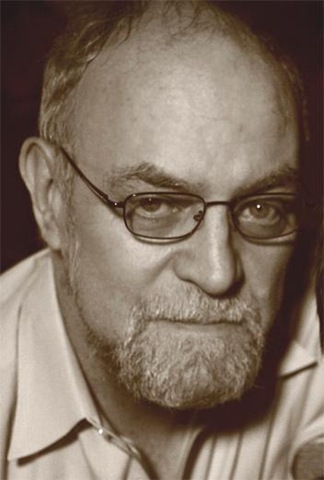
Teaching in the Margins: Michael Joyce
I think that at its base creativity involves undoing systems.
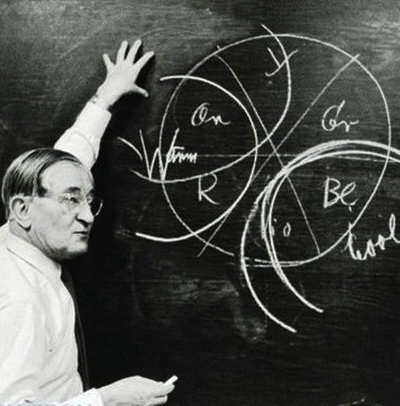
Introducing Teaching in the Margins
At a cultural and historical moment when funding for arts nonprofits is increasingly being cut and university presidents are dethroned for not moving fast enough, the question is no longer should the way artists and educators operate change, but how?
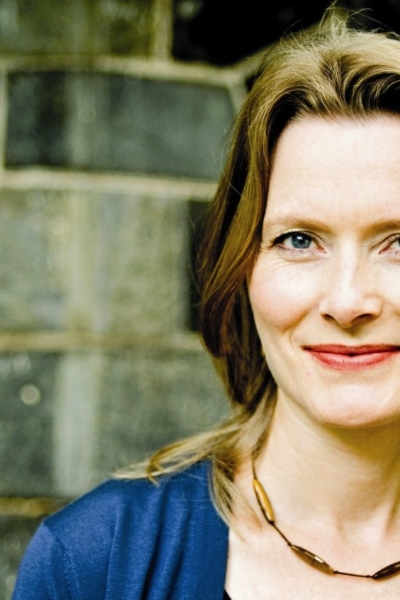
Jennifer Egan and the New Heroism
Jennifer Egan’s recent sci-fi excursions expose her not as a writer resigned to the waning importance of literature, but as a literary “luddite” willing to take things to the next level, to begin a sabotage.