

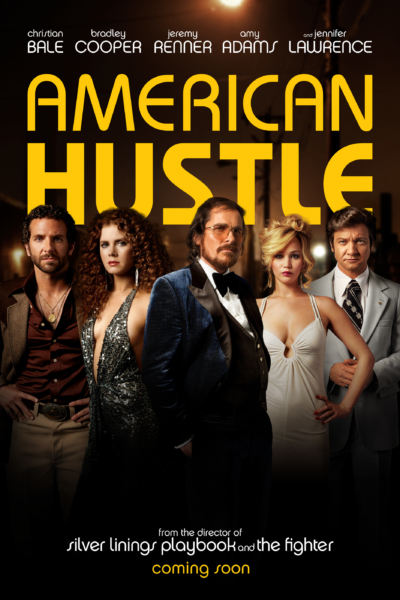
The lost innocence and deteriorating sanity of AMERICAN HUSTLE’s protagonists is meant to play less as tragedy than as camp.

Dave Eggers’ THE CIRCLE is a smart techno-potboiler. Spike Jonze’s HER is an intimate film about our relationship with technology. Together they illustrate the dual relationship we have with the tools we use: they at once make us lonely and promise themselves as the cure for that loneliness.

Violence and Intimacy in Palestine’s OMAR
It’s possible that my intimacy blinds me to the larger issues at play in OMAR. But it’s also possible that the inability to account for love in so many theoretical approaches to violence is what renders them so useless.
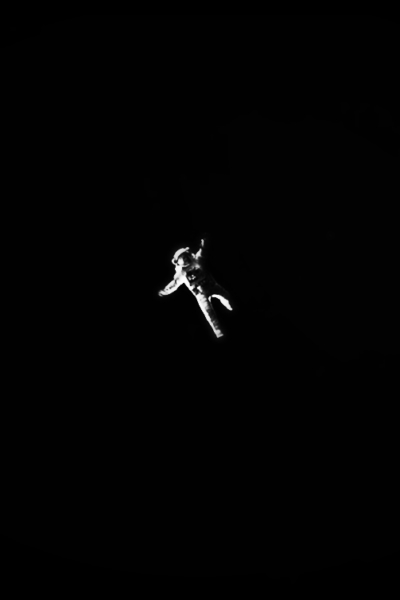
GRAVITY fails in a very American way: the lone individual triumphs over nature, energized by her sense of self-value. Americans have a history of bringing our own banalities into space with us.
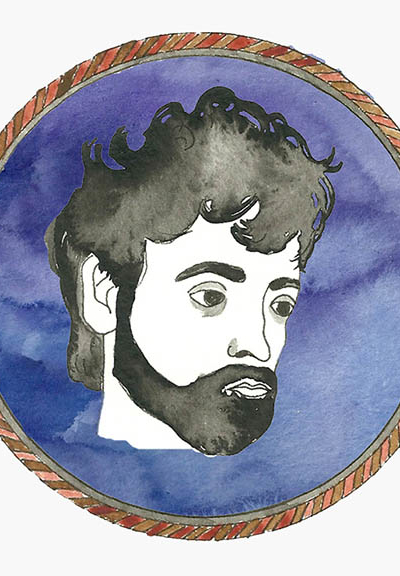
Evil will stay evil. This is true in all the Coens’ work, and it may be why their movies always seem linked up with the Fates: because, unlike most of Hollywood movies, they are about life on earth.
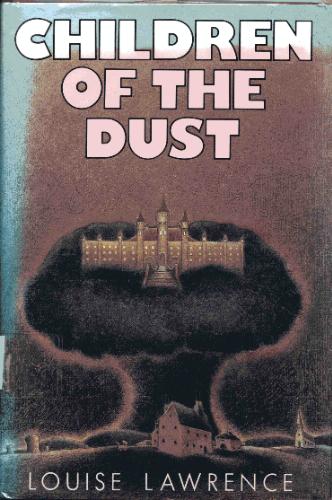
In Louise Lawrence’s 1985 young-adult novel CHILDREN OF THE DUST, mutation becomes a queering strategy for post-capitalist, posthuman survival.
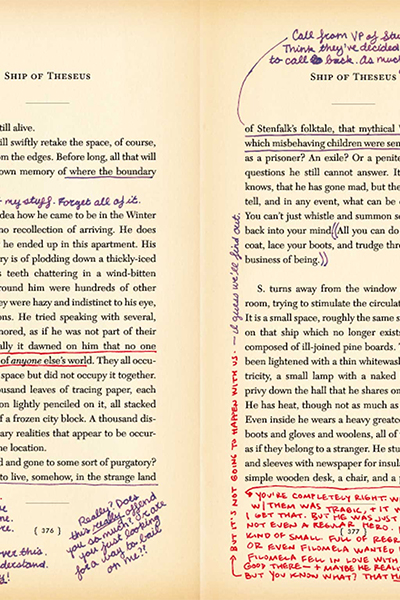
S., HOUSE OF LEAVES, and PALE FIRE treat metatext as mystery. But what’s the purpose of the authorial mystery story, not the whodunit but the whoisit?

I think that writing becomes significant through labor. The cherished things online, whether they be profitable or not, clearly spring from a place of great effort, even if in the end that effort is, as it usually should be, invisible.
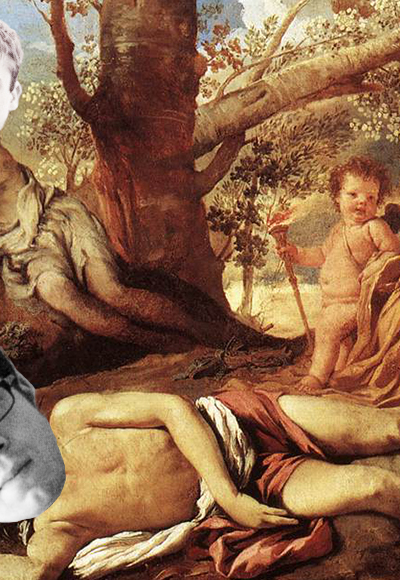
Narcissus and Ego: Poets Try the Novel
Ben Lerner’s LEAVING THE ATOCHA STATION and Dan Beachy-Quick’s AN IMPENETRABLE SCREEN OF PUREST SKY are grand narcissistic projects. But if that sounds like a slight, you haven’t listened to these books.
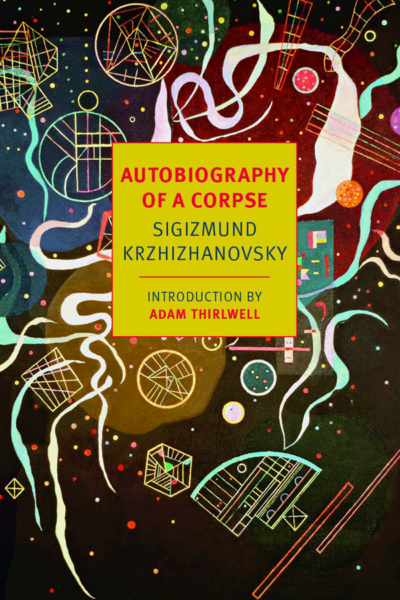
Books We Missed: AUTOBIOGRAPHY OF A CORPSE
Krzhizhanovsky comes across as a kind of Mikhail Bulgakov on drugs.