

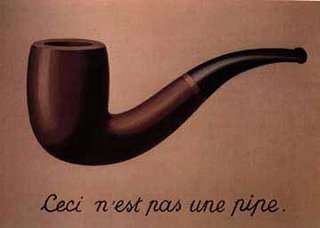
Whether we’re aware of it or not, theory taught us to read with incisive, thoroughgoing skepticism and reflexivity. It made us more rigorous, not less.
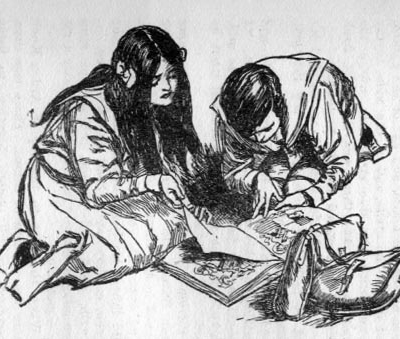
Creativity of mind is what imbues literacy with value and life. As such, our society needs nothing more than the imagining inspired by children’s writers such as E. Nesbit, Alison Uttley, and so many other half-forgotten names. To rediscover old books is to explore overgrown paths and rebuild toppled towers.
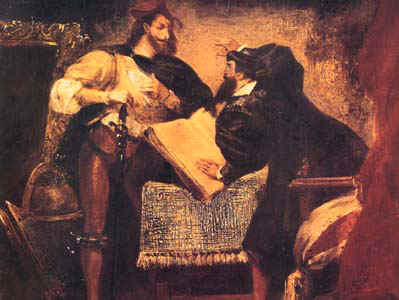
Music has the ability to tell stories just as well as texts can.

Leslie Knope’s Politics of the Public
Though NBC’s PARKS AND RECREATION is a show about political values and public awareness, it’s able to tackle this conversation through the lens of comedy, drawing attention to the fact that sincerity itself is often a more complicated – and much funnier – issue than we’d like to admit.

P.G. Wodehouse: Lessons for the Modern Age
British humorist P.G. Wodehouse draws on such predecessors as Shakespeare, Oscar Wilde, and Arthur Conan Doyle as fodder for inspiration, resulting in stories that feel very much like being wrapped up in a tweed jacket with a nightcap on hand and a perfectly elevated footstool conveying the warmth of a crackling fire through woolen socks.

After Precocity: J.D. Salinger
J.D. Salinger’s subject is not precocious childhood at all, the experience of knowing too much too early, but what comes after: the prospects of precocious children once adulthood has caught up to them. Kenneth Slawenski’s new biography SALINGER: A LIFE brings Salinger’s less recognized status as a writer for adults excellently, and elegantly, into relief.
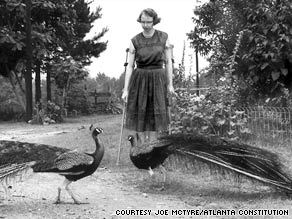
It might not be a winning formula to emphasize that Flannery O’Connor considered the topical matters that so engross certain readers—questions about the effects of consumerism, deforestation, and sexual repression—trivial compared to the fate of a single person’s soul. It would, however, be accurate.

Forbidding Zones: Hersey’s Hiroshima and Vollmann’s Fukishima
The differences in tact and tone of the pieces reflect the passage of time, and unfortunately, that the hour is already terribly late. We are amidst the peril of atomic energy, and no matter how urgent the reporting, no matter how dire the warnings, we, like the journalists, are bound to wander through its devastation.

Three Ways to Respond to Your Bully: The Failings of the Modern University
Though strange bedfellows, these books can go some distance in repairing the fractured relationship between the university and society at large.
Companion in Travel: Elizabeth Bishop
The reissue of Elizabeth Bishop’s collected POEMS and PROSE by Farrar, Straus and Giroux at the centennial of her birth is an opportunity for new readers to discover her work. After all, Bishop’s poems hinge on the experience of discovery, a discovery that demands awareness, not preparation.