

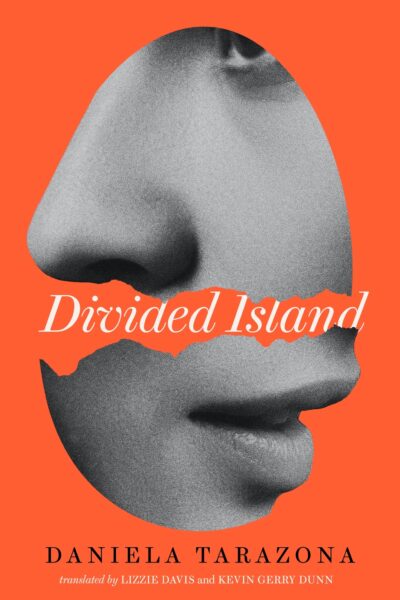
Divided Island – Daniela Tarazona
Like playing a game with a smart and mischievous child who is constantly reinventing the rules, Tarazona guides us towards the signposts and obscures them over and over again.
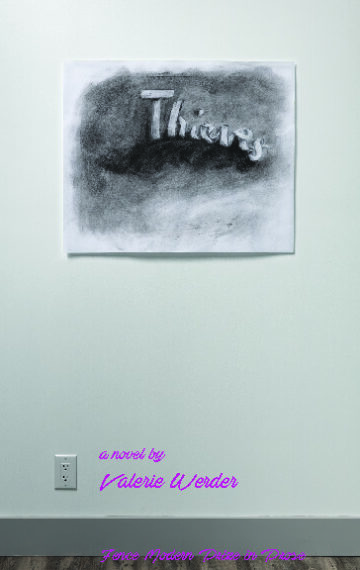
Two Thieves: Debut Authors on Self-Plagiarism, Theft, and Sample
What drives us to steal? To become a thief? To get the things we want—physical objects, words, ideas—by taking them?

Traces of Enayat – Iman Mersal
It is not Mersal’s task, she decides, to tell Enayat’s story, but to be in dialogue with her, as much as such a thing is possible. Her task is “to take a journey towards someone who cannot speak for themselves.”
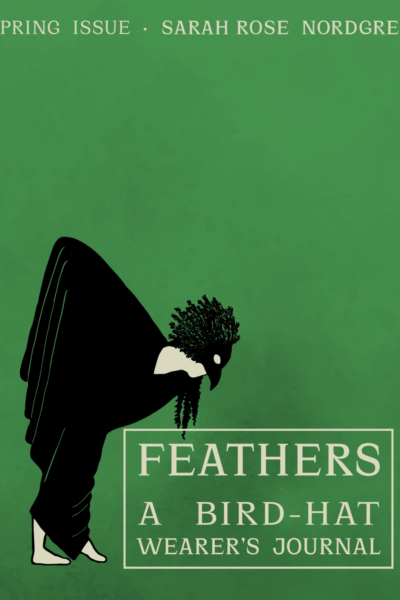
Feathers: A Bird-Hat Wearer’s Journal – Sarah Rose Nordgren
Bird-hats gained popularity because they positioned the wearer as part of the natural world, but, as women toted corpses on their heads, they also aligned women with violence and monstrosity.

This haunted house is both prison and protector, antagonist and ally. . . . Martínez seems to align this ambivalence with the downsides of vengeance itself.

Magic, magical realism, or magical thinking are the ultimate expression of powerlessness, but they are also holders of the possibility of a better, more just, world.
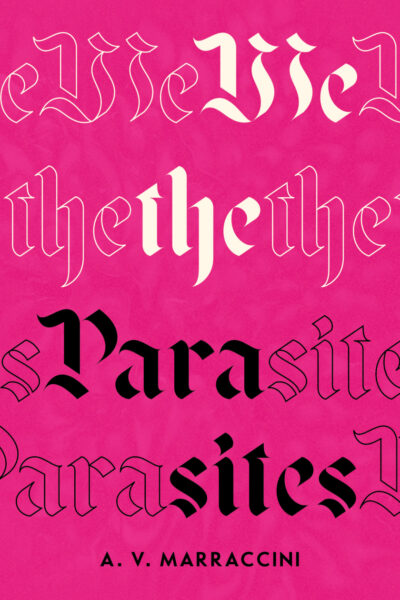
We the Parasites – A.V. Marraccini
Another type of critic might submit to art’s powers of possession, the battle to best or be bested by the work, its expression, the puncture that collapses the artist’s time with the viewer’s . . . The critic can help other viewers see the world from within an artwork’s viscera, the history-culture-language that sustains it.

The Unfinished Life of Phoebe Hicks –Agnieszka Taborska
At its heart, The Unfinished Life of Phoebe Hicks is a quirky love letter to the city of Providence.

Human Sadness – Goderdzi Chokheli
HUMAN SADNESS has the unique feature of being translated by five different translators, all based around the Oxford Georgian Translation Project, to preserve the tonal differences between the various chroniclers . . .
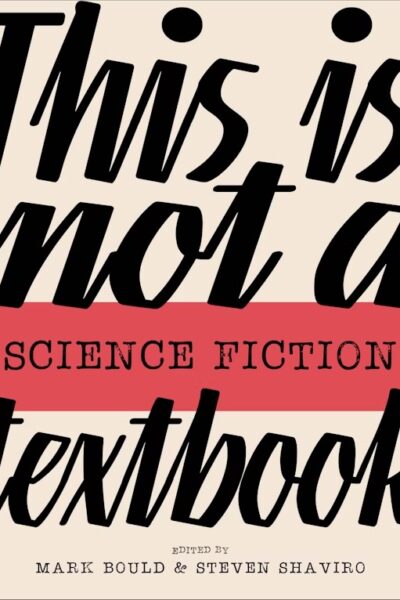
One of the great potentials of science fiction is its ability to relativize our own experience, to put it in different contexts.