


Telling your story doesn’t necessarily mean succumbing to the hefty weight of narrativization . . . reality is messy and incoherent—why not make stories that way?

What’s important about Bratton’s rendering of sex isn’t just that it’s true to life, but that it paints a complex portrait of a person with a dark sexual history.
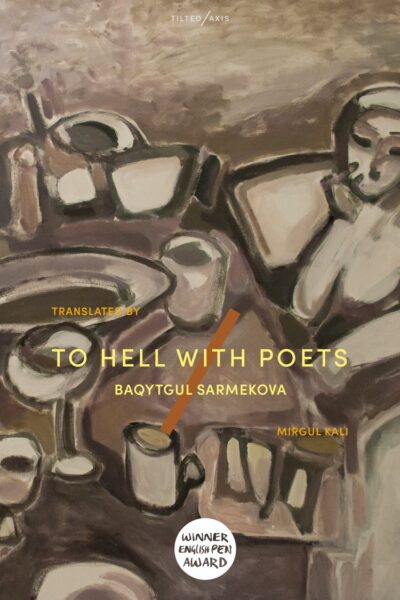
To Hell With Poets – Baqytgul Sarmekova
Each story is narrated from a third person ranging from a distant voice to a very close omniscient one . . . Consistent, however, is each character on a journey with no end.

Violent Faculties – Charlene Elsby
Sade’s aristocratic libertines were poised to benefit from all their cruelty, but Elsby’s depiction of this former professor’s cruelty reveals a sort of purposeless, indifferent violence. Cruelty becomes regularized in this world, and that is partly why it is so sickening.

Log Off: Why Posting and Politics (Almost) Never Mix – Katherine Cross
Can people create meaningful change by posting? Is Twitter bad for politics?

Divided Island – Daniela Tarazona
Like playing a game with a smart and mischievous child who is constantly reinventing the rules, Tarazona guides us towards the signposts and obscures them over and over again.

Traces of Enayat – Iman Mersal
It is not Mersal’s task, she decides, to tell Enayat’s story, but to be in dialogue with her, as much as such a thing is possible. Her task is “to take a journey towards someone who cannot speak for themselves.”
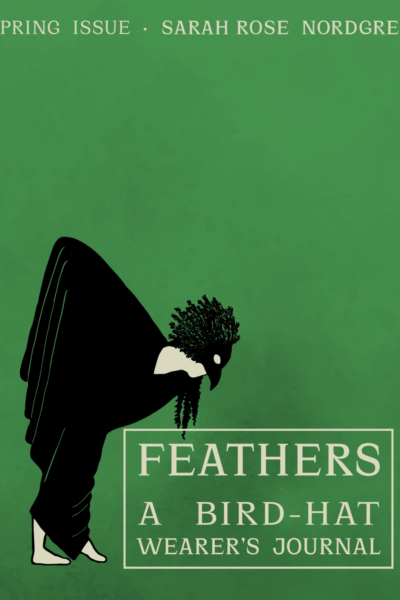
Feathers: A Bird-Hat Wearer’s Journal – Sarah Rose Nordgren
Bird-hats gained popularity because they positioned the wearer as part of the natural world, but, as women toted corpses on their heads, they also aligned women with violence and monstrosity.

This haunted house is both prison and protector, antagonist and ally. . . . Martínez seems to align this ambivalence with the downsides of vengeance itself.
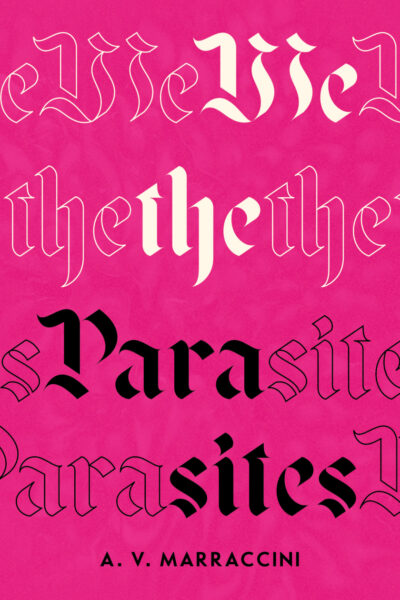
We the Parasites – A.V. Marraccini
Another type of critic might submit to art’s powers of possession, the battle to best or be bested by the work, its expression, the puncture that collapses the artist’s time with the viewer’s . . . The critic can help other viewers see the world from within an artwork’s viscera, the history-culture-language that sustains it.