

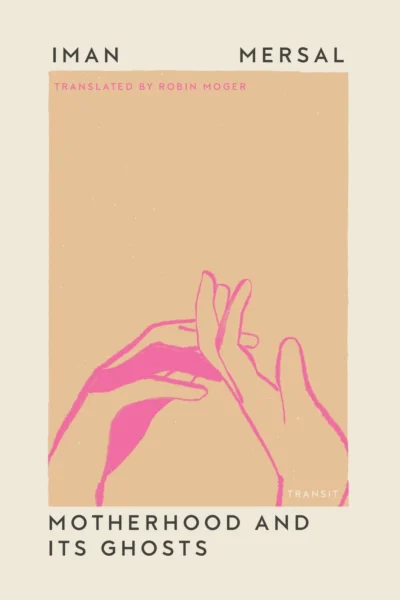
Motherhood and its Ghosts — Iman Mersal, translated from the Arabic by Robin Moger
Forced into memory after becoming a mother herself, Mersal seeks to arrive at an understanding of who her mother was in order to understand who she will become.
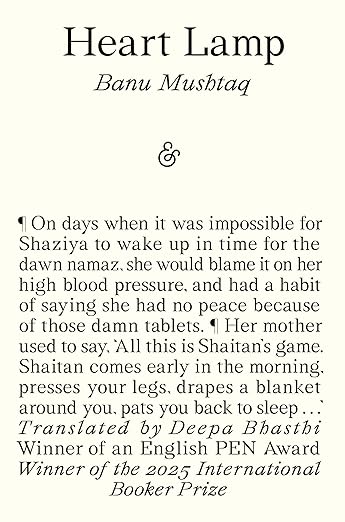
Heart Lamp — Banu Mushtaq, Translated from Kannada by Deepa Bhasthi
One of the most inventive and profound aspects of Heart Lamp is how Mushtaq layers these multiple points of view: in “Black Cobras” alone there are at least six, most of them the perspectives of women and girls. A few stories are told in the first person, but most of the time the close third-person narrator moves between those who have all the power and those who have none.
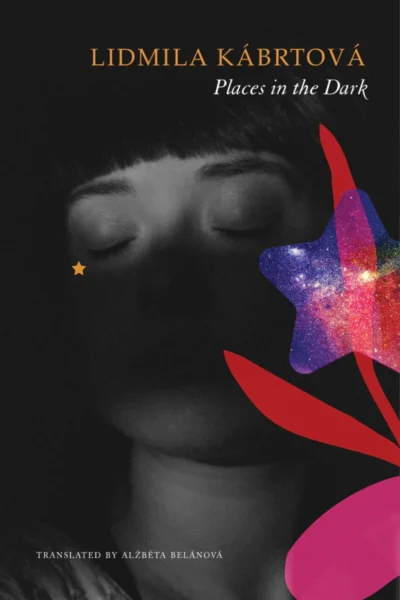
Places in the Dark – Lidmila Kábrtová
Why bother being good when paradise was never promised?
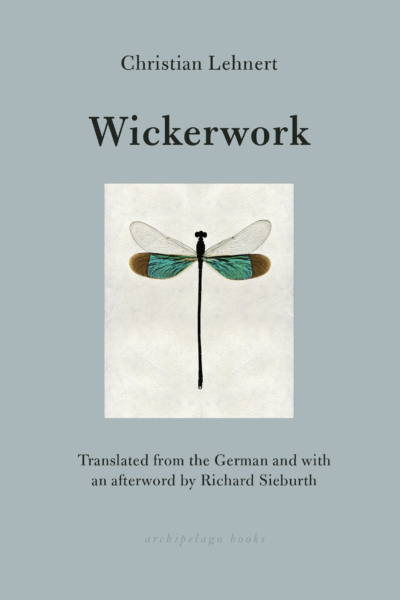
Wickerwork – Christian Lehnert
Nature crafts its own metaphors
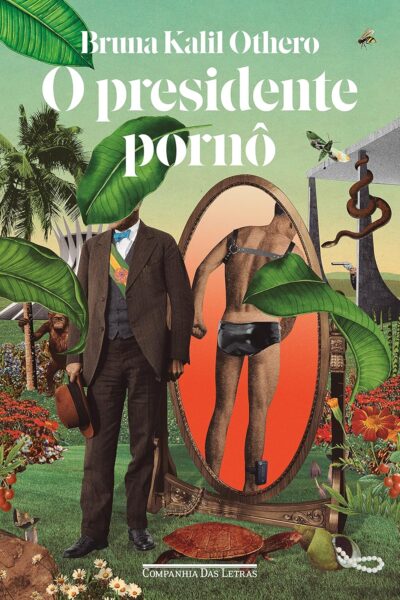
The Porno President – Bruna Kalil Othero
“Tits or ass?” Othero’s novel urges us to consider this question in today’s political landscape
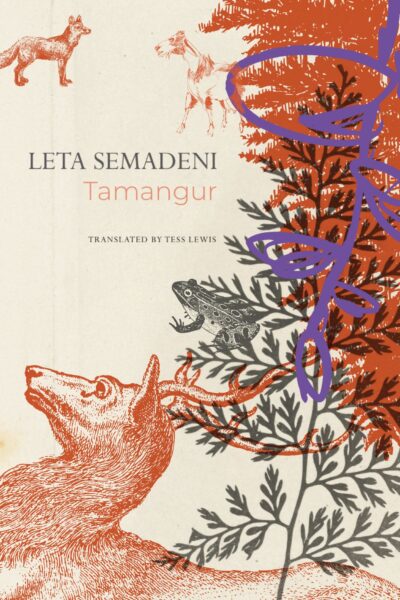
The novel is a portrait of growing up and growing old, twin phenomena that run in the same direction yet seem somehow opposed
The Equestrian Turtle and Other Poems – César Moro
Through a surrealist style, the poet plunges us into the complexities of a homoerotic love and into the depths of his symbolism.
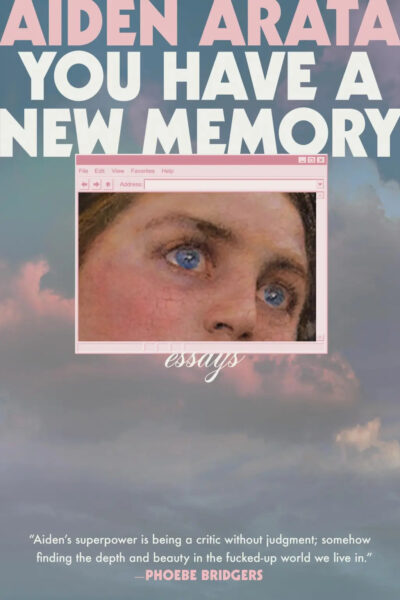
Elegy Already: Millennials at Middle Age
We were kids together. And now we are not.
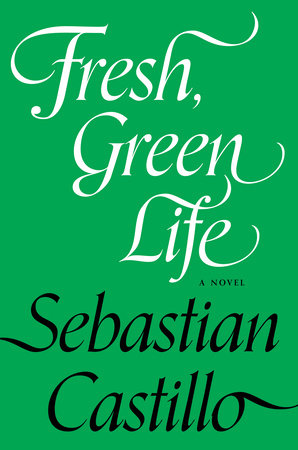
Fresh, Green Life — Sebastian Castillo
But whether or not the narrator evolves is irrelevant. It’s his daydreaming that propels the narrative and engages the reader. Not just because of long sentences, or languid interiority, but because the narrator actually reveals himself through his delusions.
I’d love to think that Lonesome Ballroom…might prove one of many “weird” books that make our broader tradition stranger and therefore stronger, more strapping.