

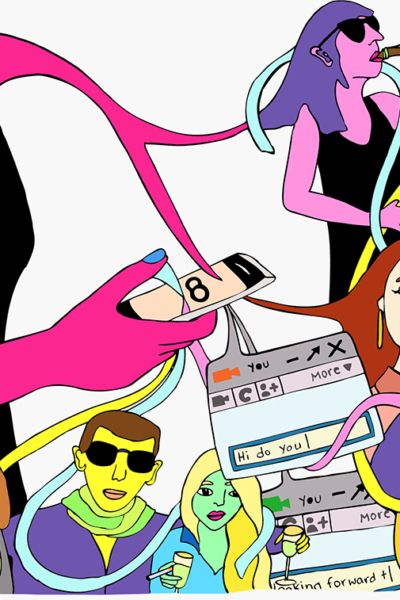
I don’t actually know where my faculties are
Platforms like Facebook require consistency between one’s online and offline selves. But maybe there’s something unnatural about trying to force this consistency.

Unselfconsciousness is covetable. We admire it in babies and seek to recover it as adults. But blackness is incompatible with unselfconsciousness. Blackness is a tracking device.
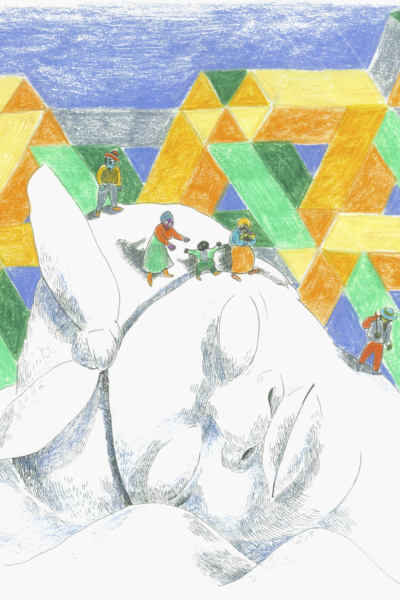
For a brief moment in the cemetery, I wished it wasn’t my inheritance. That this wasn’t my story.

The Indescribably Real: Epic Memoir and Barycentric Fiction
The softening of the reader’s criteria for what can be permissibly worked into the novel format, processing real life through the story-teller’s eye for structure, implicates not only our literature, but reality as we experience it.
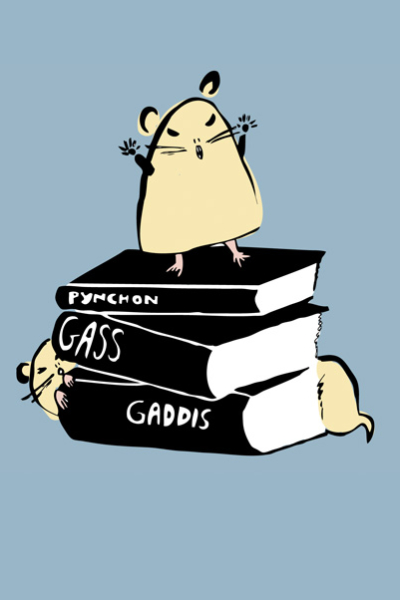
Nell Zink’s prose may not expand into rolling curls of unconventional syntax, but it is nonetheless difficult. Her mercilessly enjoyable prose leaves itself open to serious moral misinterpretation.
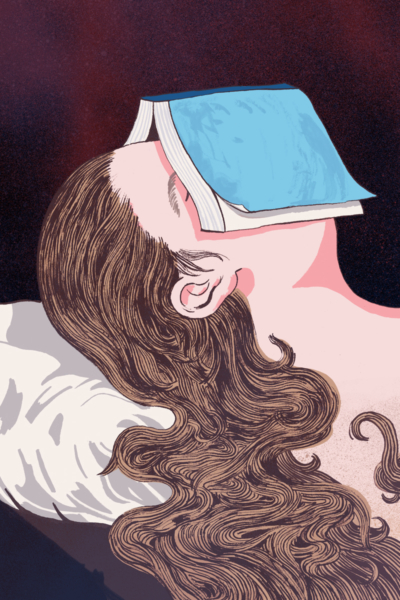
This Imaginary Half-Nothing: Time
There are dawns and noons and nightfalls, diseased interludes and riots and political turns, seasons of tumors and cures and poisons, and along with these the daily need to reproduce oneself as a living person.
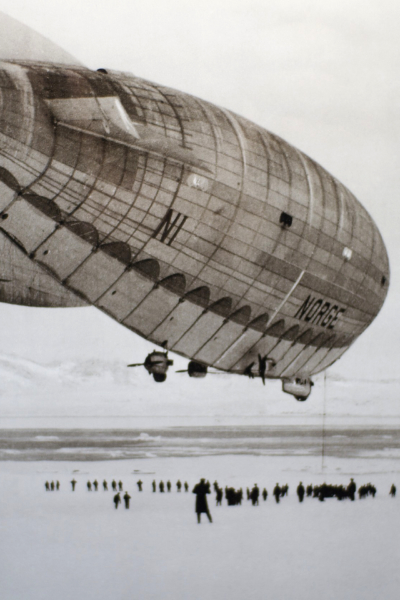
The Perils of Optimism, with Zeppelins
Truth itself won’t be comforted, but there’s solace in seeing the huckster unmasked. On American optimism and THE CARP CASTLE by MacDonald Harris.
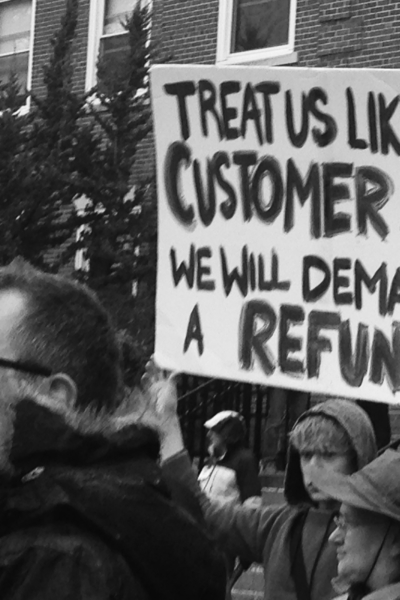
The cutting of humanities programs in favor of business and STEM degrees is backed not by the pure arithmetic of budgetary restraints but by entrenched and quixotic neoliberal ideology.
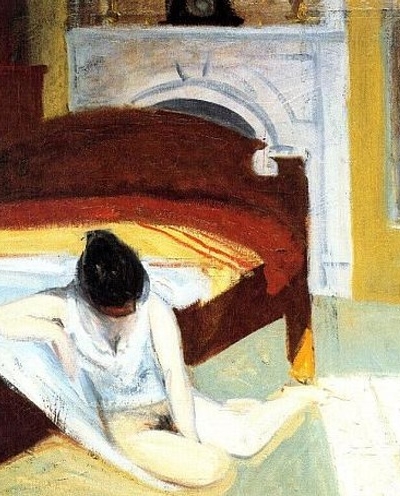
Knausgaard could have Instagrammed his father’s empties. Didion could have live-tweeted her late-night ambulance ride. Instead they wrote. Why do we write grief?
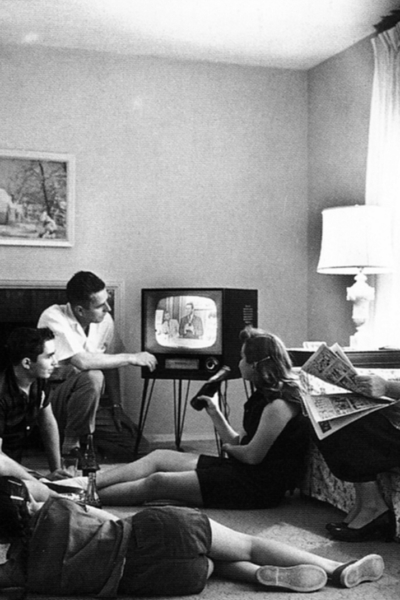
Disaster and triumph became another set of eventualities, ones that television could help viewers practice, prepare for, and witness, at least through their screens. TV both created its audiences and informed them.