

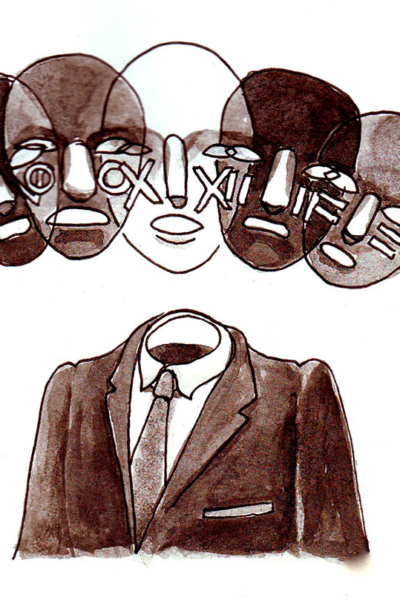
I’m El Salvadoran to an Oaxacan, mulatto to a Haitian squinting her eyes, black to the negro curious about America’s slave past, and white to any Anglo too busy finding what they want to see there. Either I am nobody, or I am a nation.

Like nostalgia, the translator’s dream is emotionally — even erotically — oriented towards the past, but the translator’s productivity is not located in memory. His problem is not the return home. How could it be? His provenance is a dead tongue.
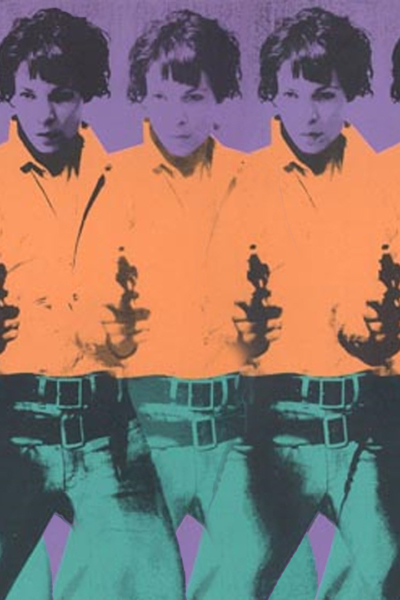
This Is What a Feminist Looks Like, Maybe: On the Films of Mary Harron
How dare a woman contain multitudes, and contradictions, and not conform her entire lived experience to theory? How dare another woman, fifty years later, try to capture that on camera without offering some explicit feminist commentary?

The Great American Richards are primed to overcome all thoughts about fathers, all thoughts about mothers, all thoughts about wives and children, as though thought about anything is an affliction.
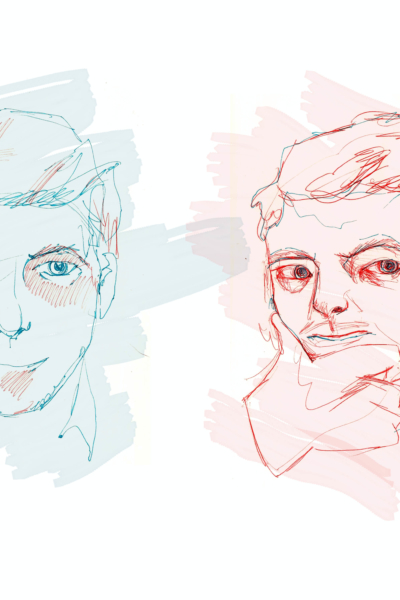
If beauty is truth and truth is beauty and something I find beautiful and truthful is hideous and deceitful for someone I respect, what can happen except bloodshed, a fight to the death?
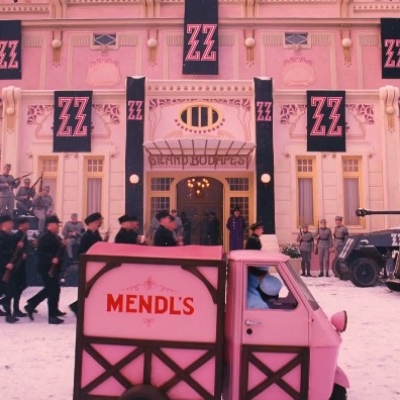
Wes Anderson’s THE GRAND HOTEL ABYSS
The fulfillment we get from nostalgia can only be taken up, at best, in an ossified, brittle sort of way. Wes Anderson must understand this, as it is essentially what is dramatized in The Grand Budapest Hotel.

Change in the Land: Willa Cather’s Midwest
The mysterious work of the novel in regard to climate change seems less about politics and more about calm, diverse reflection.

The lost innocence and deteriorating sanity of AMERICAN HUSTLE’s protagonists is meant to play less as tragedy than as camp.

Dave Eggers’ THE CIRCLE is a smart techno-potboiler. Spike Jonze’s HER is an intimate film about our relationship with technology. Together they illustrate the dual relationship we have with the tools we use: they at once make us lonely and promise themselves as the cure for that loneliness.
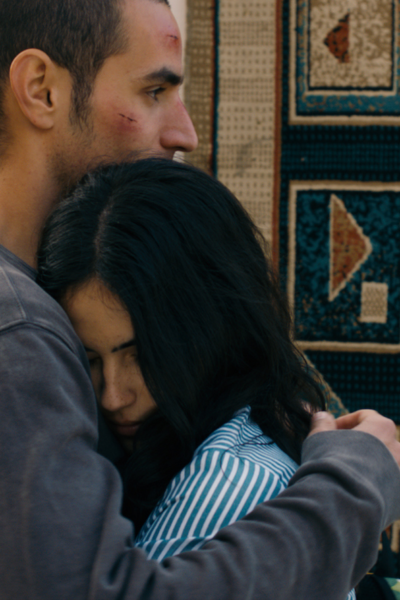
Violence and Intimacy in Palestine’s OMAR
It’s possible that my intimacy blinds me to the larger issues at play in OMAR. But it’s also possible that the inability to account for love in so many theoretical approaches to violence is what renders them so useless.